Why the different names? As a retailer and wholesaler of faux fur fabrics for over 20 years, I’ve found that fake fur and faux fur bring to mind two entirely different products, not just in price point, but in quality and longevity.
What is Fake Fur?
For me, fake fur is the thin, wispy type of fur fabric found on toys at the fairground, the kind of fur where you can easily see through to the backing below. This type of fabric quickly becomes tangled, matted, and messy-looking. In essence, it’s a cheap fur fabric often used when durability and quality aren’t priorities.
Common uses for fake fur:
- Novelty items and prizes
- Fancy dress costumes
- Low-cost accessories
- Short-lived decorative products
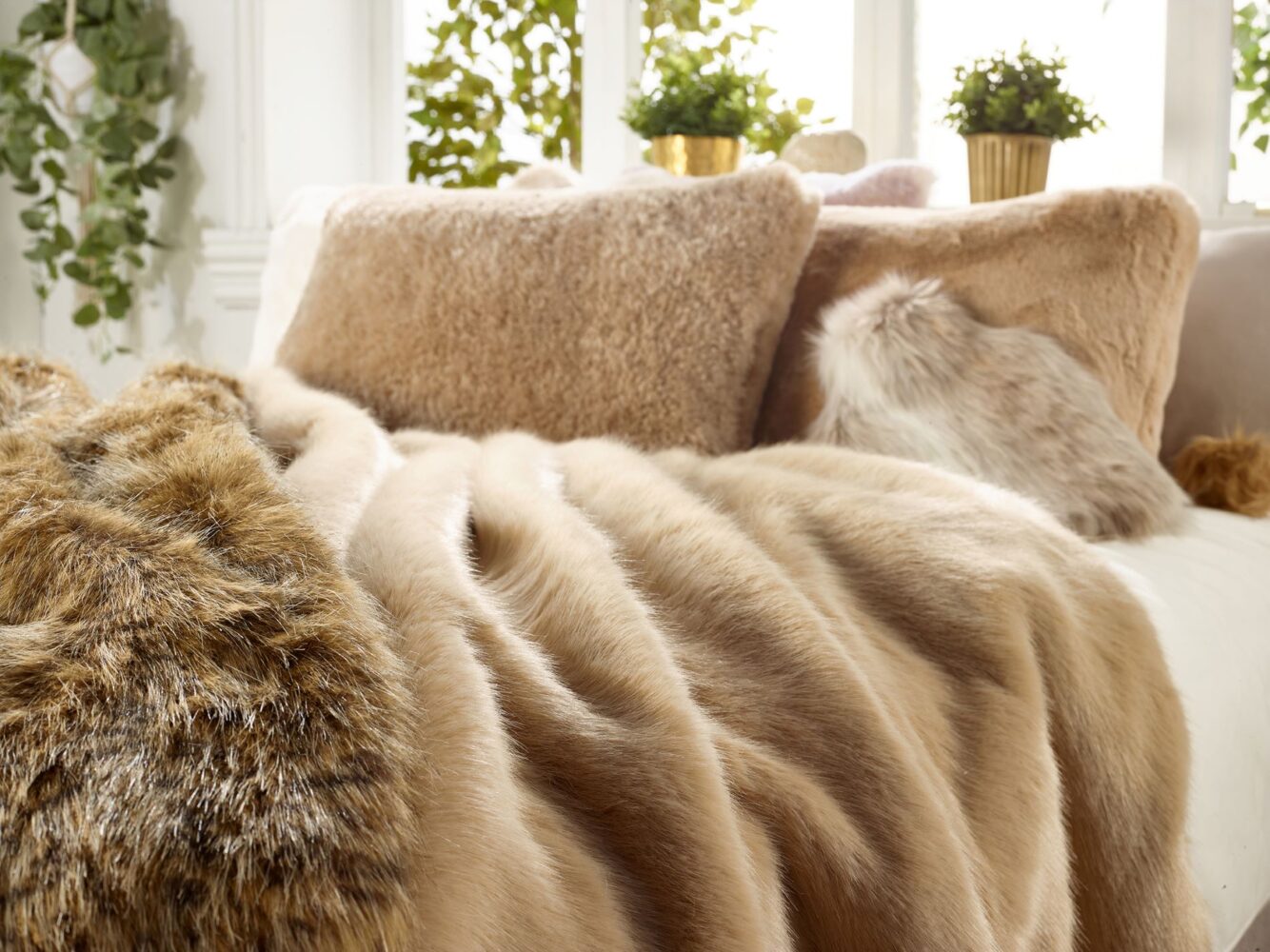
What is Faux Fur?
Switch to faux fur, and the presence of a foreign word immediately adds an element of quality and elegance. We describe our finest quality fur fabrics as “faux” to convey their superiority.
Our luxury faux fur fabrics have:
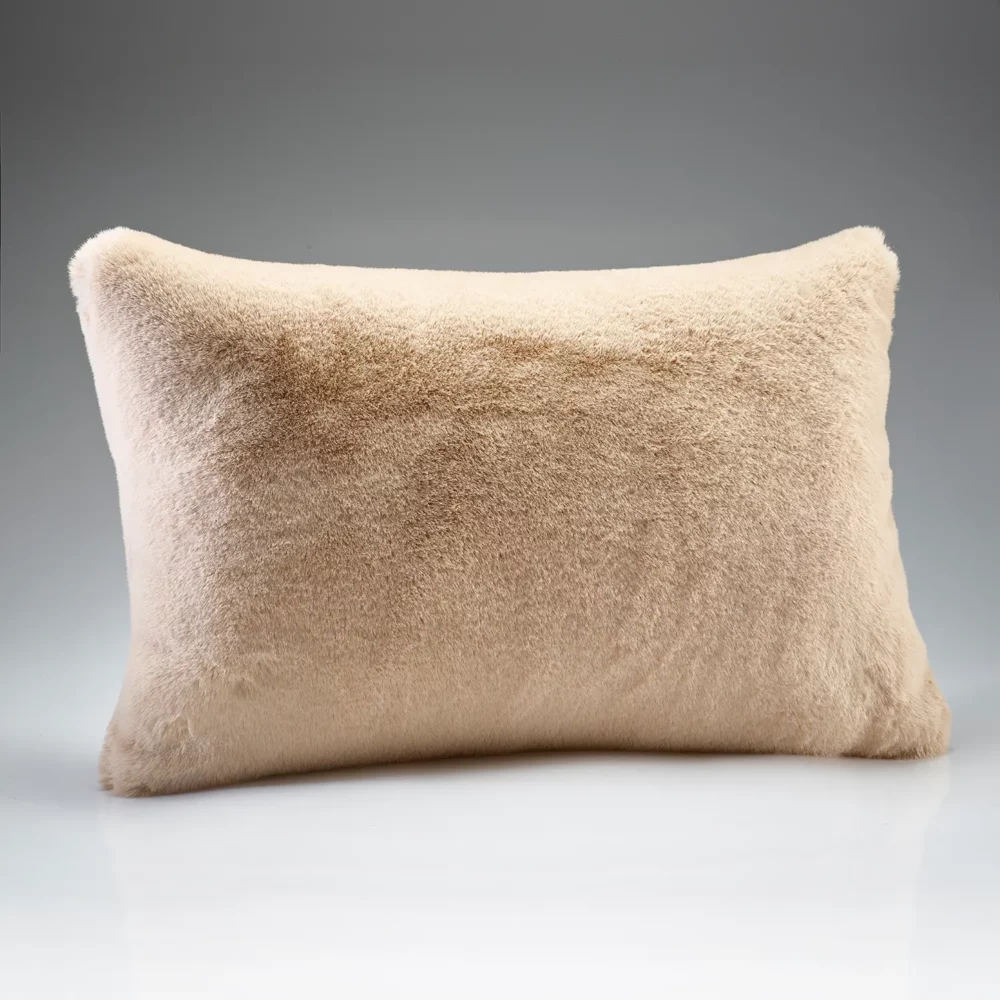
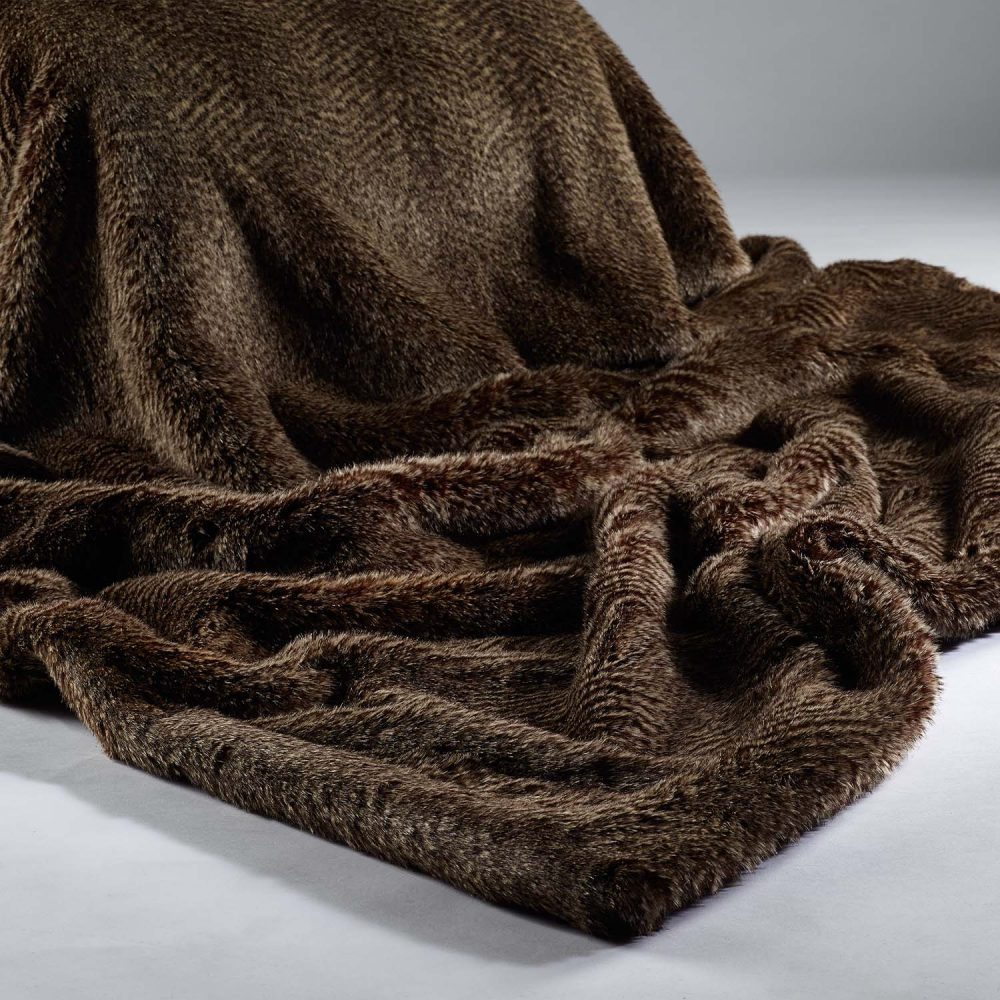
- Rich depth, weight, and texture — our faux furs are heavy and premium, often weighing over 1000 grams per square metre.
- Softness and comfort
- Visual appeal and lustre
- Long-lasting durability
Common uses for faux fur:
- Faux fur cushions and throws
- High-quality clothing and accessories
- Luxury soft furnishings as an accent for sophistication
- Upholstery details for elegant interiors
A Brief History of Faux Fur
The term faux fur comes from the French word “faux,” meaning “false,” and it was first used in the mid-20th century as an alternative to real animal fur. Over time, advances in textile technology have made high-quality faux fur almost indistinguishable from the real thing, but with the added benefits of being more affordable, cruelty-free, and easier to care for.
Why Choose High-Quality Faux Fur Over Fake Fur?
When investing in home décor or fashion pieces, quality faux fur offers:
- Greater longevity — it holds its shape, colour, and texture over time
- Better comfort — softer against the skin and more luxurious to the touch
- Sustainability benefits — many modern faux furs are made using recycled fibres
- Versatility — suitable for both contemporary and classic interior styles
Sustainability and Ethical Style
Today’s consumers are increasingly conscious of the environmental and ethical impact of their purchases. Faux fur is a cruelty-free alternative to real fur, and when made to high standards, it also reduces waste because it lasts much longer than low-cost fake fur. Choosing luxury faux fur means investing in pieces that you’ll enjoy for years, reducing the need for frequent replacements.
Choosing the Right Fabric for Your Project
When deciding between fake fur and faux fur, it comes down to quality, purpose, and lifespan. Fake fur is best for short-lived, fun items, while faux fur is the choice for luxury home décor and premium fashion pieces where elegance and durability matter.
At Katrina Hampton, our faux fur is selected for its superior quality, making it ideal for luxury throws, cushions, bean bags, and accessories that add style and comfort to any home.
Fake Fur vs Faux Fur – FAQs
What is the difference between fake fur and faux fur?
Fake fur and faux fur are essentially the same thing. Both terms refer to synthetic materials designed to imitate the look and feel of real animal fur. “Faux fur” is simply the more modern and widely used term, particularly within the fashion and home décor industries, as it sounds more premium and ethical.
Is faux fur considered real fur?
No. Faux fur is completely synthetic and does not contain any animal products. It is created using man-made fibres that replicate the texture and appearance of real fur, offering a cruelty-free and sustainable alternative for throws, cushions and home accessories.
Are faux fur throws durable and easy to care for?
Yes. High-quality faux fur throws are designed to be long-lasting, soft and practical for everyday use. Most can be gently cleaned at home and maintain their luxurious look with proper care. Unlike real fur, faux fur is more resistant to wear and easier to maintain over time.
How can I tell if a product is faux fur or real fur before buying?
The easiest way is to check the product description and care label. Faux fur items will clearly state that they are synthetic. You can also look at the backing of the material – faux fur is attached to a woven fabric base, while real fur has a leather hide backing.